Automation Guide
Automatic vs Semi-Automatic Oil Filling Machine
A buyer guide for factories deciding whether to start with semi-automatic oil filling or invest in an automatic filling, capping and labeling line.
Short Answer
Choose semi-automatic oil filling when output is moderate, containers change often and budget must stay flexible. Choose automatic oil filling when the project needs continuous output, fewer operators, stable capping and easier connection to labeling, coding or packing modules.
When semi-automatic filling fits
Semi-automatic filling can be practical for small and medium factories, pilot production, new oil brands and projects with frequent container changes. It usually keeps the first investment lighter while still improving fill consistency compared with manual filling.
- Operators manually place bottles, buckets or containers.
- The machine controls dosing while capping and labeling may stay separate.
- Format changeover can be easier when output demand is not very high.
When automatic filling fits
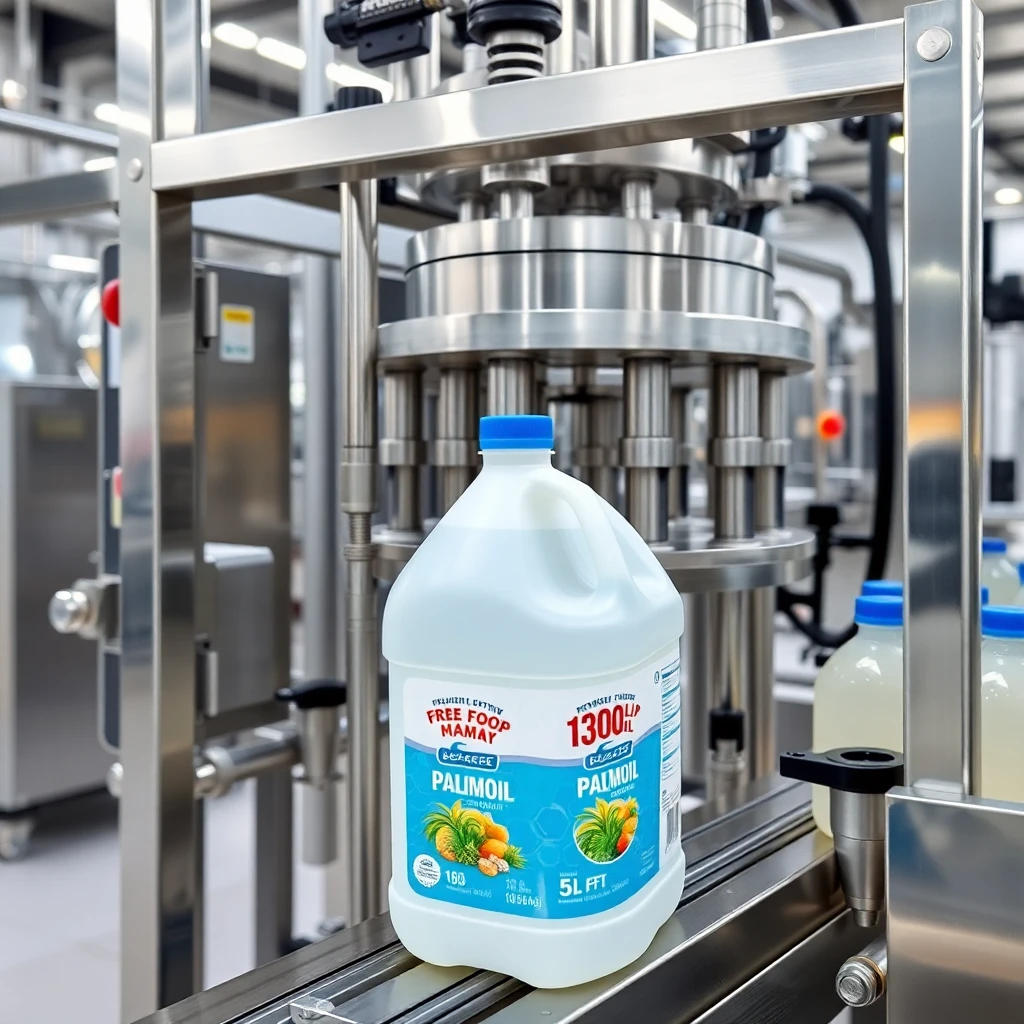
Automatic filling is better when the buyer needs stable hourly output, integrated conveyors, filling heads, capping, labeling, coding and packing. It reduces manual handling and helps keep production flow more consistent.
How to compare real cost
The right comparison is not machine price alone. Count labor, rejects, spillage, giveaway, speed, changeover time, capping quality, floor space, maintenance and the cost of future upgrade.
Plan future modules early
Even if the first step is semi-automatic, share future plans for capping, labeling, packing or palletizing. This helps the supplier avoid a layout that blocks later automation.
Selection Points
RFQ Checklist
| 1 | Current manual or semi-automatic process and daily production target. |
| 2 | Container sizes, cap type and whether labeling or packing should be included. |
| 3 | Available operators, floor space and target automation level. |
| 4 | Expected product mix and how often formats change. |
| 5 | Budget scope: filling only, filling plus capping, or complete line. |
Common Buyer Questions
Is semi-automatic oil filling enough for a new brand?
It can be enough when volumes are still moderate and container formats are not fixed. If the brand already has a clear daily output target and stable bottle format, automatic filling may reduce labor and improve flow earlier.
Can semi-automatic oil filling be upgraded later?
Some projects can be upgraded, but it depends on layout and machine scope. Share the future automation plan during the first RFQ so the line can be planned more realistically.
What is the biggest reason to choose automatic filling?
The strongest reasons are stable output, fewer manual steps, better connection to capping and labeling, and more predictable production flow.
Related Products
Related Guides
Need a clearer filling machine quotation?
Send the product name, container details, output target and required modules. HEMUfill will route the inquiry to the right filling machine configuration.
Send RFQ Details