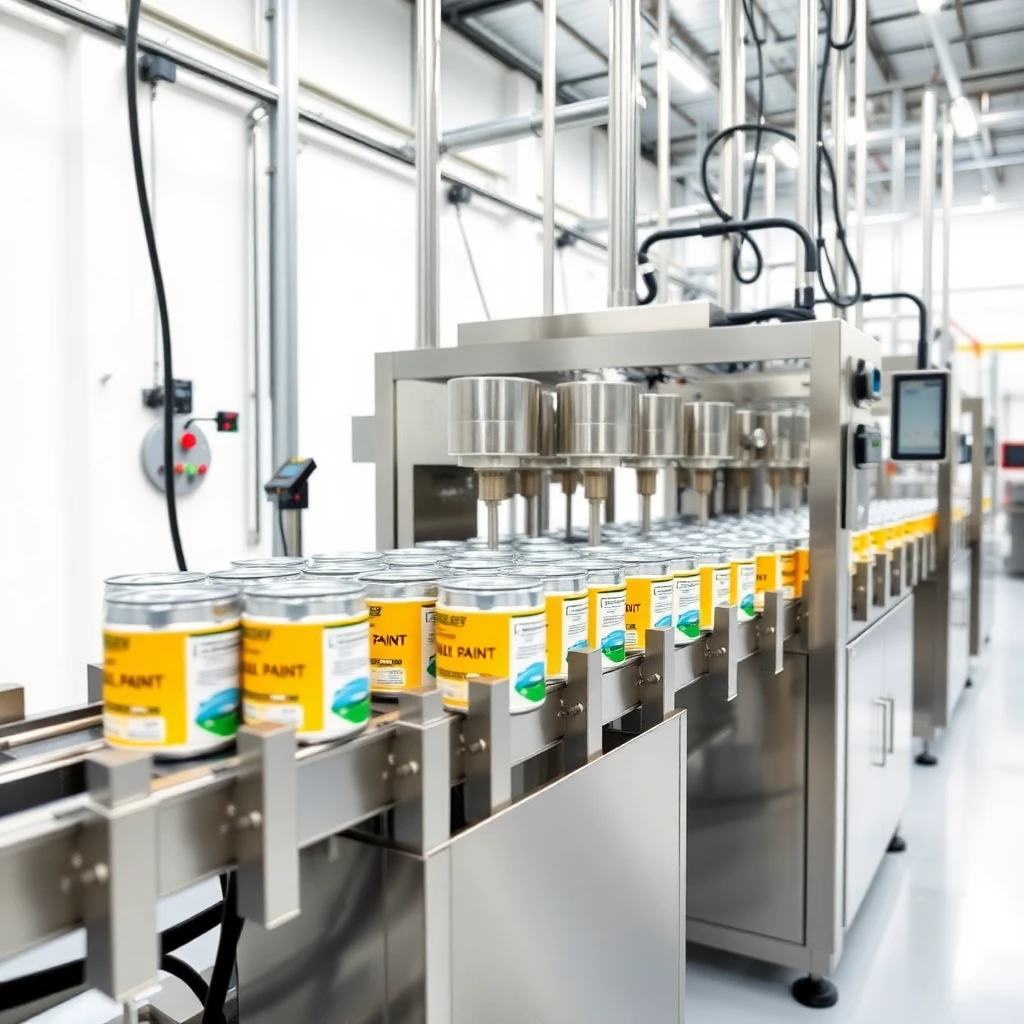
Filling Method Comparison
Piston vs Flow Meter vs Peristaltic Filling
A method guide for buyers choosing between piston filling, flow-meter filling and peristaltic filling for liquid projects.
Short Answer
Piston filling is often used for medium to viscous liquids and controlled portions. Flow-meter filling can fit stable free-flowing liquids where measurement and speed matter. Peristaltic filling is useful when product-contact control, clean tubing or sensitive liquids are more important than a heavy mechanical pump.
Use product behavior to choose the method
The best dosing method depends on viscosity, foam, particles, fill volume, cleaning requirement and acceptable tolerance. A method that works for water-like liquid may not work for cream, sauce, oil or chemical liquid.
When piston filling fits
Piston filling is widely used for liquids, lotions, oils, sauces and pastes where a measured portion is pulled into a cylinder and discharged into the container.
- Useful for many medium-viscosity and viscous products.
- Can support repeatable portions when product behavior is stable.
- Cleaning and changeover should be reviewed when many products share one line.
When flow-meter filling fits
Flow-meter filling measures product flow and can be practical for stable free-flowing liquids, oils or chemicals. Product conductivity, density, aeration and temperature may affect the meter choice.
When peristaltic filling fits
Peristaltic filling moves liquid through tubing, so the product contacts the tube rather than pump internals. It can be useful for smaller-volume, cleaner or sensitive liquid projects where tubing replacement and product-contact control matter.
Selection Points
RFQ Checklist
| 1 | Product name, viscosity, density, foam and particles if known. |
| 2 | Fill volume or weight, target tolerance and container opening size. |
| 3 | Cleaning expectation, product changeover frequency and contact material requirement. |
| 4 | Output target and whether several products share one machine. |
| 5 | Current filling pain point: dripping, unstable volume, slow cycle, contamination concern or cleaning time. |
Common Buyer Questions
Which filling method is best for viscous liquid?
Piston filling is often reviewed first for viscous products, but final selection depends on viscosity range, product texture, particles, fill volume and cleaning requirements.
Is flow-meter filling better than piston filling?
Not universally. Flow-meter filling can be strong for stable liquids and metered output. Piston filling may be better for many viscous or portion-controlled products. The product and container decide the method.
When is peristaltic filling useful?
Peristaltic filling is useful when the buyer wants controlled product contact through tubing, easier tubing changeover, or a method suited to sensitive smaller-volume liquid projects.
Related Products
Related Guides
Need a clearer filling machine quotation?
Send the product name, container details, output target and required modules. HEMUfill will route the inquiry to the right filling machine configuration.
Send RFQ Details